1.Accountable institutions cannot treat AI as an unmanaged productivity layer
Accountable institutions cannot treat AI as an unmanaged productivity layer. Every material system needs an owner, a risk posture, a review rhythm and a path for escalation when outcomes diverge from expectations.
2.Perspective 2
This guide sets out a leadership-friendly view of AI governance: define the decision the system supports; classify potential harm and dependency; assign human accountability; and require evidence before expanding scope.
3.Perspective 3
We recommend separating advisory systems from systems that influence rights, entitlements, credit, employment or public services. The latter demand stronger controls, documentation and human review.
4.Responsible AI is not only fairness language
Responsible AI is not only fairness language. It includes privacy, security, explainability, evaluation, incident response and the ability to pause or roll back a system when controls fail.
5.Perspective 5
Leaders should ask for operating evidence: inventory completeness, approval status, monitoring coverage and exception handling quality — not only model accuracy claims.
6.Role clarity prevents governance theatre
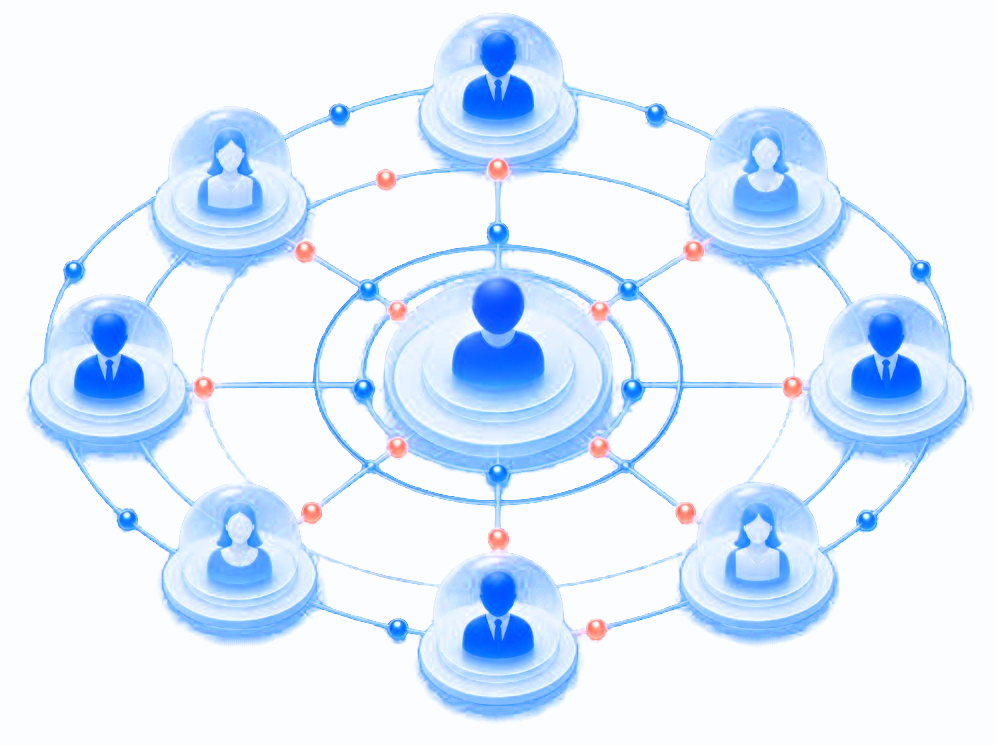
Role clarity prevents governance theatre. Business owners accept outcome accountability, technology teams own platform and evaluation hygiene, and risk/assurance teams challenge residual exposure. When those roles blur, issues surface late and politically.
7.Perspective 7
Oversight routines should match institutional cadence: intake reviews for new use cases, periodic re-attestation for live systems, and incident reviews when control assumptions break. Ad hoc committees without cadence rarely change behaviour.
8.Perspective 8
Public-sector institutions should also map AI oversight to existing accountability structures — audit committees, information governance boards and service owners — rather than inventing parallel forums that lack mandate.
01
Pick case

About Agrayian AI Labs
Agrayian AI Labs converts complex government, banking and enterprise workflows into secure, intelligent and measurable AI systems.
Learn more about us